
Deadly false widow spider can produce 1,000 babies a year

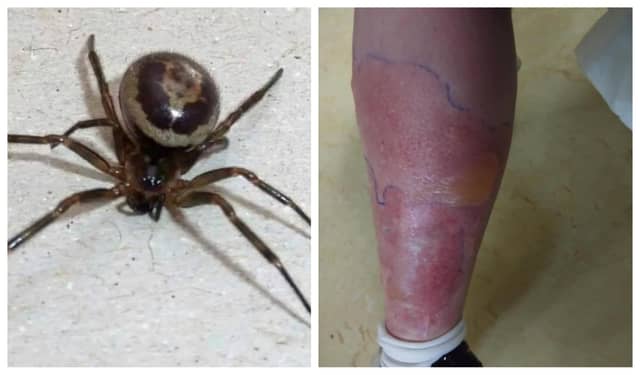

The National Poisons Information Centre at Beaumont Hospital has issued an alert with Irish people more likely to encounter a false widow spider in their home this winter.
"With temperatures set to drop in the coming weeks, the risk of encountering a false widow spider in your home will increase, particularly around windows and in conservatories," a spokesperson warned.
"The false widow is established in most counties in Ireland. It is the most common urban spider. Its tolerance to cold temperatures, activity throughout the year and a 5-year life span make it competitive against native Irish spiders.
"It can produce 1,000 offsprings annually. In contrast, native spiders are inactive during colder months, have shorter life spans and produce fewer offsprings."
What to look out for?
Most false widows are a brownish colour with paler markings and a bulbous body. The venom of the false widow is more potent than that of native spiders. It shares two-thirds of its venom toxin with that of a true black widow.
What to expect when bitten?
The severity of the bite will depend on the spider and the sensitivity of the individual. Pain, redness and swelling at the area of the bite are common. Nausea, vomiting, headache, hot and cold flushes sometimes occur. Necrosis and bacterial infection have rarely been reported. A bite from false widow is NOT fatal.
What to do when bitten?
Gently wash the affected area with soap and water.
Apply a cold pack to the site.
Contact the NPIC, GP or pharmacist if pain persists or swelling develops.
Seek medical attention for bites on or around the eye.
Seek URGENT medical advice if vomiting, radiating pain and/or hot/cold flushes develop.
Any good news?
False widows do not randomly bite. Its venom is a complex resource and is usually reserved for prey, rather than humans.
National Poisons Information Centre, Beaumont Hospital, Dublin - 01-8092166