
Disruption warnings in place ahead of major EU presidency meetings
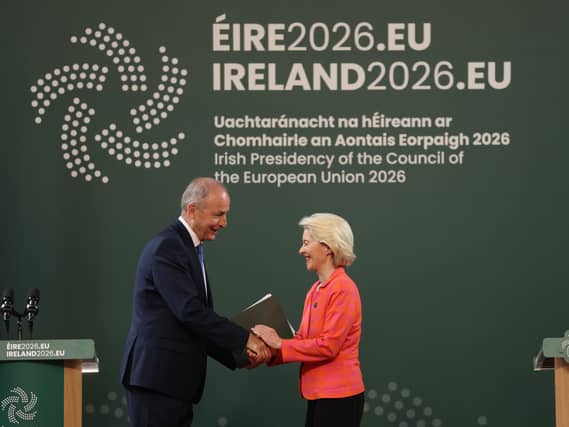

An Garda Síochána and Dublin City Council have warned of large-scale disruption between November 10 and November 13.
Disruption warnings are in place as Ireland prepares to host the largest meetings of heads of state in the country’s history.
The meetings on Thursday, November 12 and Friday, November 13, will see members of the Government meet with European leaders, as the focal point of the Irish presidency of the Council of the European Union.
On Thursday, Ireland will host the ninth meeting of the European Political Community (EPC) in the Convention Centre in Dublin.
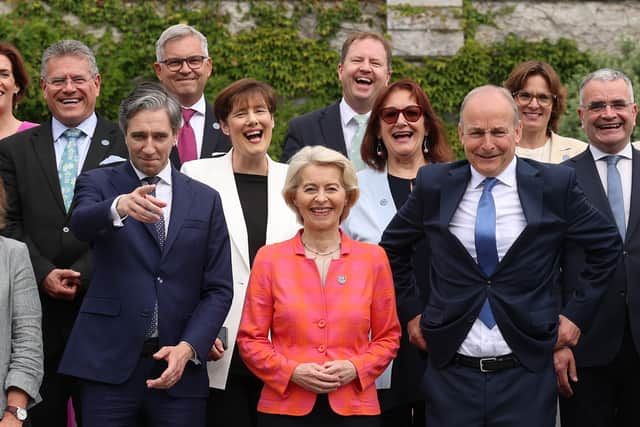
It will be the largest gathering of heads of state and Government that Ireland has ever hosted, with around 50 European leaders and heads of European and international organisations in attendance.
Leaders will discuss dialogue and co-operation across Europe on issues of shared interest, with the aim of promoting security, stability and prosperity across the continent.
Irish union members announced on Monday they are preparing for a 24-hour national walkout on November 12, which will coincide with the event, amid an ongoing public sector pay dispute.
The EPC Summit will be followed on Friday by an informal meeting of EU heads of state and Government, also in the Convention Centre.
The Taoiseach, Micheál Martin, will also host a dinner for visiting leaders in the National Gallery of Ireland on Thursday evening after the EPC summit.
An Garda Síochána said that it will put in place the largest policing and security operation it has undertaken in the history of the State.
The operation will involve a wide range of Garda units including front-line policing, public order, special detective unit, emergency response unit, air support and the national drone unit.
A spokesperson said the security operation will begin on Tuesday, November 10 and will “increase incrementally” for three days until Friday.
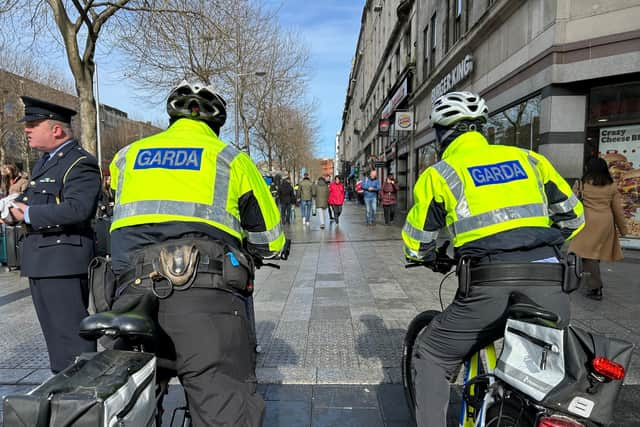
They said that Garda security cordons will be in place near events, including barriers and no-parking restrictions, and parking will also be restricted near the hotels associated with the meetings.
Access to residences and businesses will remain open, they said, but there will be security checks.
“There will be disruption to traffic management, traffic flows and public transport over this period, in Dublin city centre in particular,” a spokesperson said.
“We would ask members of the public to heed the advice and instructions of Gardaí and we thank them for their continuing co-operation.
“An Garda Síochána advises the public in the areas affected in Dublin to plan their day, leave extra time for their journeys and to expect delays.”
A spokesperson for Ireland’s Presidency of the Council of the European Union said that the primary focus of the security operation is to keep people safe but warned that there will be some disruptions.
“Every effort is being made to minimise disruption to the public and to businesses, while policing these important events safely and successfully. Due to their scale and complexity, the summits are a significant logistical undertaking with unprecedented security considerations,” they said.
“These security considerations and measures will impact those who live, work and study in the areas around the Convention Centre, the National Gallery and on routes between Dublin Airport, Casement Aerodrome and several city hotels, as well as public transport users.
“Certain roads will be closed, public transport routes diverted and delays are expected. Leave plenty of time for your journey and continue to monitor updates across social media.”
Dublin City Council also warned of “major and prolonged traffic disruptions” across the four days.
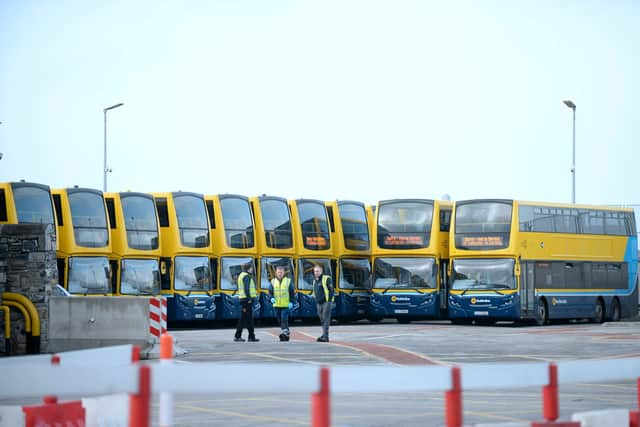
A spokesperson said: “Commuters are advised to plan ahead on the days in question and leave extra time for their journeys across all roads in the city and especially the city centre.
“They are further advised to consider their choice of transport and to use public transport, walk or cycle if possible and to minimise their car use as much as possible during this time.
“There will also be a large number of rolling road closures in the city beginning on November 11 and continuing until the evening of November 13. This is to facilitate access to the convention centre and other city-centre locations by multiple heads of state.”
On Tuesday, Minister for Foreign Affairs and Trade, Helen McEntee, briefed the Government on the progress of Ireland’s presidency as it approached its conclusion on December 31.
She said that in October, the Irish presidency saw “significant developments and policy outcomes”, including the presentation of its compromise proposal for the EU’s next long-term budget, the Multiannual Financial Framework.
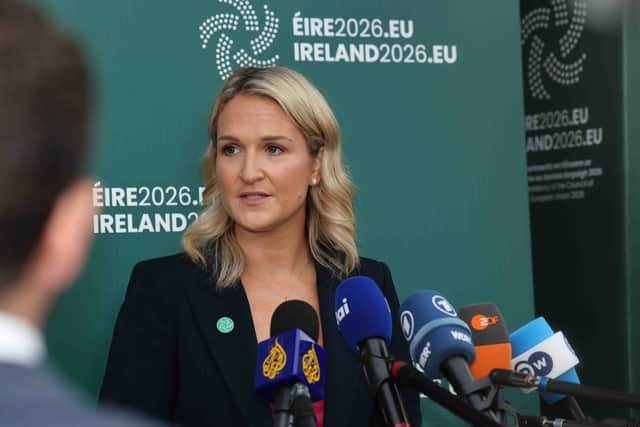
Ms McEntee said the presidency also secured agreement on the Council’s approach to major legislative proposals and initiatives to simplify EU regulation and “significant measures” in support of Ukraine were also agreed, as well as “substantial further progress” in negotiations on EU enlargement.
“Four months into Ireland’s presidency term, it’s clear that we are delivering on the ambitious policy objectives we set ourselves back in June, and making a real impact in driving the EU’s competitiveness, safeguarding its values and enhancing its security,” she said.
“We have been steadfast in our support for Ukraine, securing the largest ever listing of 1,600 entities and individuals under the Ukraine Territorial Integrity Sanctions Regime, and mobilising substantial funding for Ukraine under the European Peace Facility.
“As well as delivering important outcomes on issues such as future support for agriculture and fisheries, rules for organic products, strengthening democratic resilience, and supporting defence innovation, we have put in place the groundwork which will allow us to deliver a wide range of further significant policy outcomes in the remaining two months of our Presidency.
“All of this will help to make the EU a better place for our citizens to live and work.”