
Number of vacant commercial properties in Carlow lower than national average

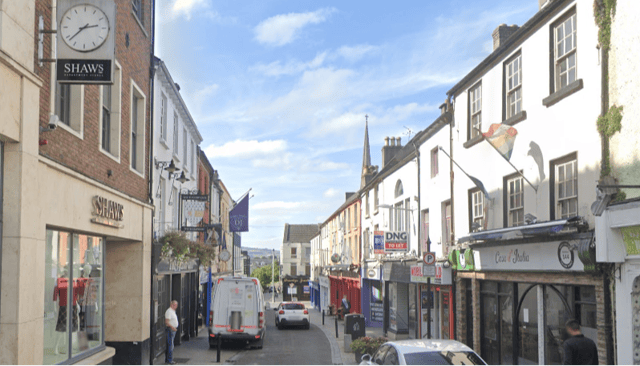

The number of vacant premises in the county has managed to remain steady despite the country experiencing the highest number of vacant commercial properties in over a decade
According to the latest report on Commercial Buildings Vacancy Rates, Carlow proved lower than the national average for the number of vacant commercial premises in the county which indicates some positive news for the local economy.
GeoDirectory's Commercial Buildings Report for the fourth quarter of 2024 has shown that the national commercial vacancy rate is at its highest level since the report first began in 2013. With the rise in business costs, migration towards online shopping, and the impact of tax hikes still to be felt, Irish businesses are clearly feeling the pressure.
However, Carlow businesses have managed to steady in this time of uncertainty. As the national vacancy rate sits at 14.5%, Carlow's is at 13.6% and although that does not seem dramatically better, there is more to this figure. As most counties saw their numbers of vacant premises increase at the end of last year, Carlow actually experienced a modest decrease.
Carlow was among six other counties that experienced this drop in figures and they in fact experienced the largest decrease alongside Laois, falling from 14.1% at the end of 2023. Tullow also did well in the survey with the lowest figure of 12.2%. Bagenalstown, however, had the highest commercial vacancy rate with 18.9%.
In comparison to counties like Sligo with a vacancy rate of 20.6%, Donegal with 20.1% and Galway with 18.8%, Carlow's figures are much more promising. When looking at the likes of better performers like Wexford at only 10.8% or Meath with 9.9%, it is clear however that there is still a way to go.
Commenting on the trends spotted in the report, Annette Hughes, Director at EY Economic Advisory, said: "While residential vacancy continues to decline significantly, dropping to just 3.8% in our most recent GeoDirectory Residential Report, commercial vacancy trends are going in the opposite direction.
"At 14.5% the rate now sits 1% higher than before the Covid pandemic, representing an increase of over 2,100 commercial units and comes despite a strong economy, growing population and record employment. There are likely many factors at play here including, changes triggered by the pandemic, evolving shopping preferences and continued cost pressures on businesses and households."