
'Thank you': Water conservation order lifted two weeks early in Carlow
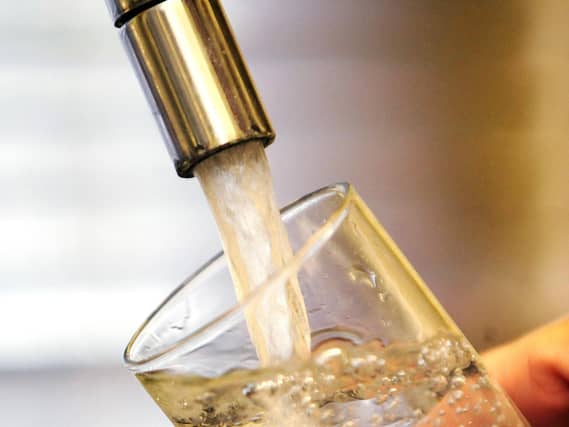

The water conservation order that had been in place since July in Carlow has been lifted two weeks early
Uisce Éireann has confirmed that the Water Conservation Order in place in Carlow since July is being lifted two weeks earlier than planned.
The decision reflects increased rainfall and water availability, alongside the extraordinary efforts of households, businesses, farms and communities across Ireland to reduce water use.
These efforts helped to protect local water supplies during one of the hottest summers and driest July on record.
The nationwide Water Conservation Order was introduced in July following a prolonged period of dry weather and exceptionally high demand, which had placed significant pressure on public water supplies across the country.
The Order had been due to remain in place until the end of September in Carlow, Cork, Dublin, Kildare, Kilkenny, Laois, Limerick, Meath, Offaly, Tipperary, Waterford, Wexford and Wicklow.
“We want to thank households and communities across the country for their support while the Water Conservation Order was in place. By cutting back on non-essential water use, people helped protect local supplies and maintain drinking water for the homes, farms, hospitals, vulnerable customers, and essential services that rely on it every day,” Uisce Éireann Asset Strategy Senior Manager, Mairead Conlon, said.
“Rainfall over recent weeks has improved the overall picture, but recovery has not been the same everywhere across the country. Some areas, including parts of the Greater Dublin Area, Wexford and South Tipperary, require more time to return to the levels you would usually see at this time of year. Continued careful use of water will help protect these local sources and support their recovery in the weeks ahead,” she added.
Rainfall does not always lead to an immediate recovery in water sources.
The pace of recovery depends on several local factors, including how much rain falls in each catchment, how dry the ground has been, the type of source used for public water supply, local demand, reservoir storage levels, groundwater recharge and the time it takes for water to move through rivers, lakes, reservoirs and treatment systems.
Some areas need sustained rainfall over a longer period before supplies fully recover.